
Pick a language and start learning!






-ed와 -ing로 끝나는 형용사 수업 과정 영어로

영어 공부를 하다 보면 -ed와 -ing로 끝나는 형용사를 접하게 됩니다. 이 형용사들은 의미와 사용법에서 중요한 차이가 있어 잘 이해하고 사용하는 것이 중요합니다. -ed로 끝나는 형용사는 보통 감정을 느끼는 사람이나 동물을 설명하는 데 사용되며, -ing로 끝나는 형용사는 감정을 유발하는 사물이나 상황을 설명하는 데 사용됩니다. 예를 들어, "bored"는 지루함을 느끼는 사람을 의미하고, "boring"은 지루함을 유발하는 사물을 의미합니다.
이 페이지에서는 -ed와 -ing 형용사의 차이점을 명확히 이해할 수 있도록 다양한 문법 연습 문제를 제공하고 있습니다. 연습 문제를 통해 여러분은 이러한 형용사를 올바르게 사용하는 방법을 익히고, 실제 상황에서 자연스럽게 활용할 수 있는 능력을 키울 수 있을 것입니다. 각 문제는 해설과 예시 문장을 포함하고 있어, 학습자들이 혼자서도 충분히 이해하고 연습할 수 있도록 돕습니다.
Exercise 1
<p>1. The movie was so *boring* that I almost fell asleep. (형용사: 지루한)</p>
<p>2. She was *embarrassed* when she realized her mistake. (형용사: 부끄러운)</p>
<p>3. The children were *excited* about the upcoming trip. (형용사: 신나는)</p>
<p>4. The news was *shocking* to everyone in the room. (형용사: 충격적인)</p>
<p>5. He felt *tired* after working all night. (형용사: 피곤한)</p>
<p>6. The fireworks display was *amazing* and everyone enjoyed it. (형용사: 놀라운)</p>
<p>7. She is *interested* in learning new languages. (형용사: 관심 있는)</p>
<p>8. The haunted house was *terrifying* for the children. (형용사: 무서운)</p>
<p>9. They were *satisfied* with the service at the restaurant. (형용사: 만족한)</p>
<p>10. He found the lecture quite *confusing* and hard to follow. (형용사: 헷갈리는)</p>
Exercise 2
<p>1. The movie was extremely *boring* (형용사, 지루하게 만드는).</p>
<p>2. She felt *tired* after a long day at work (형용사, 피곤하게 된 상태).</p>
<p>3. The news was *shocking* to everyone (형용사, 충격을 주는).</p>
<p>4. He was *interested* in learning more about the subject (형용사, 관심을 갖게 된 상태).</p>
<p>5. The teacher's explanation was very *confusing* (형용사, 혼란스럽게 만드는).</p>
<p>6. They were *amazed* by the magician's tricks (형용사, 놀라게 된 상태).</p>
<p>7. The concert was so *exciting* that no one wanted to leave (형용사, 흥미를 주는).</p>
<p>8. She was *annoyed* by the loud noise outside (형용사, 짜증나게 된 상태).</p>
<p>9. The book is *fascinating* from start to finish (형용사, 매료시키는).</p>
<p>10. He felt *frustrated* when he couldn't solve the problem (형용사, 좌절하게 된 상태).</p>
Exercise 3
<p>1. The movie was so *boring* that I fell asleep halfway through (형용사, 지루한).</p>
<p>2. She felt *tired* after running a marathon (형용사, 피곤한).</p>
<p>3. The news was *shocking* to everyone who heard it (형용사, 충격적인).</p>
<p>4. He was *annoyed* by the constant noise outside his window (형용사, 짜증나는).</p>
<p>5. The *exciting* game kept everyone on the edge of their seats (형용사, 흥미진진한).</p>
<p>6. The kids were *exhausted* after playing all day in the park (형용사, 지친).</p>
<p>7. Her speech was *inspiring* and motivated many people (형용사, 영감을 주는).</p>
<p>8. The *confusing* instructions made it hard to assemble the furniture (형용사, 혼란스러운).</p>
<p>9. He was *frightened* by the loud thunderstorm (형용사, 겁먹은).</p>
<p>10. The *charming* village attracted many tourists every year (형용사, 매력적인).</p>
Learn a Language 5x Faster with AI
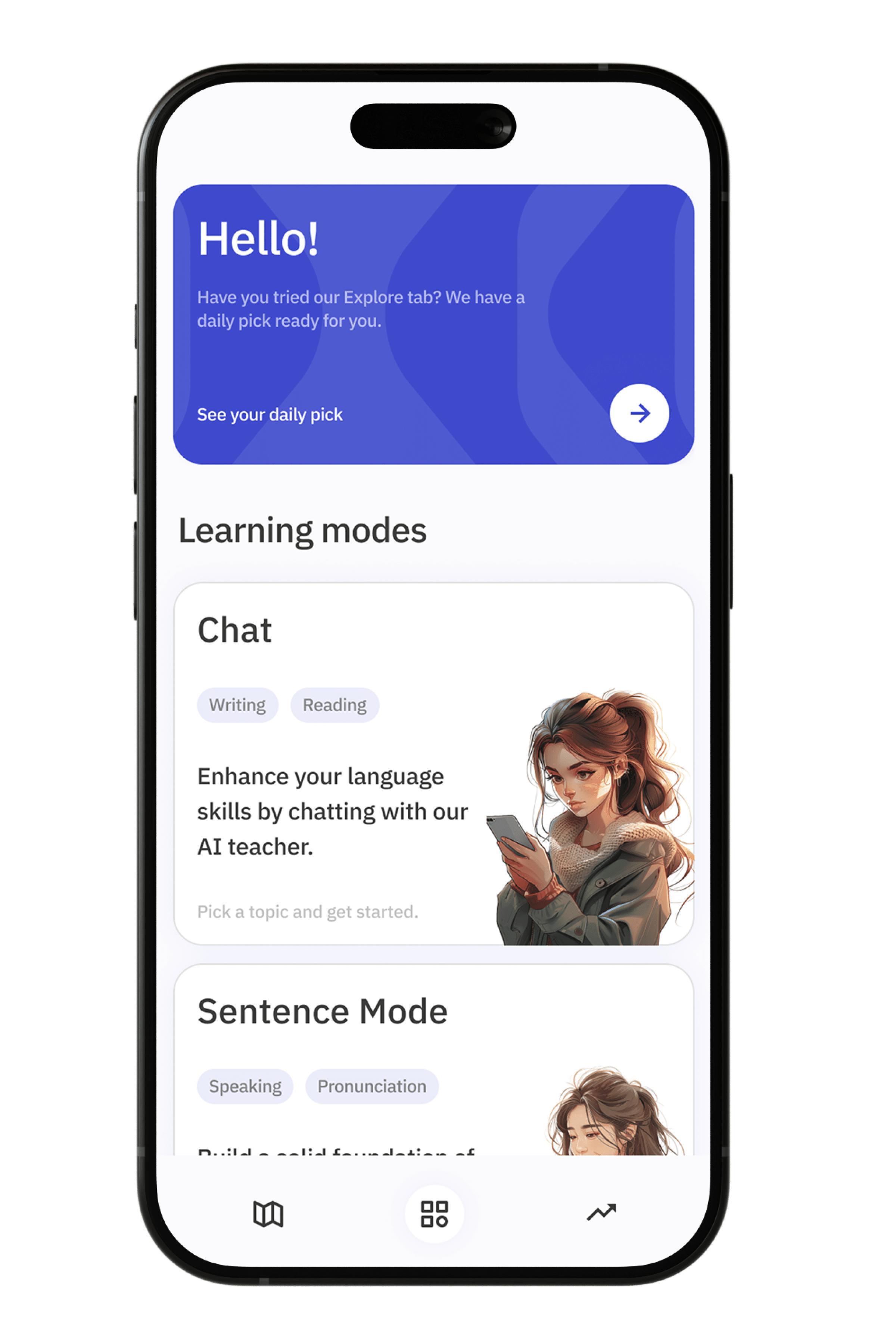
Talkpal is AI-powered language tutor. Master 50+ languages with personalized lessons and cutting-edge technology.