
Pick a language and start learning!






Toekomende continue tijd Opdrachten in de Engelse taal

De toekomende continue tijd, ofwel de future continuous tense, is een Engelse werkwoordstijd die wordt gebruikt om acties te beschrijven die op een specifiek moment in de toekomst aan de gang zullen zijn. Deze tijdsvorm combineert de toekomstige tijd met een voortdurende actie en wordt vaak gekenmerkt door zinnen zoals "I will be doing" of "They will be working." Het begrijpen en correct toepassen van de toekomende continue tijd kan je helpen om je Engels te verfijnen en complexere zinnen te vormen.
In deze oefeningen zul je verschillende zinnen tegenkomen waarin je de toekomende continue tijd moet herkennen en gebruiken. We beginnen met het identificeren van deze tijdsvorm in eenvoudige zinnen en bouwen geleidelijk aan naar meer complexe structuren. Door middel van invuloefeningen, zinsconstructie en vertalingen, krijg je de kans om je vaardigheden te oefenen en te verbeteren. Zet je schrap en bereid je voor om je kennis van de future continuous naar een hoger niveau te tillen!
Exercise 1
<p>1. By this time tomorrow, she will *be studying* for her exams (werkwoord voor leren).</p>
<p>2. They will *be traveling* to Spain next summer (werkwoord voor reizen).</p>
<p>3. He will *be working* on his project all night (werkwoord voor arbeid).</p>
<p>4. At 8 PM, we will *be having* dinner with friends (werkwoord voor eten).</p>
<p>5. The team will *be playing* in the final match next week (werkwoord voor sport).</p>
<p>6. She will *be reading* her favorite book by the fireplace (werkwoord voor lezen).</p>
<p>7. I will *be attending* a meeting at 3 PM (werkwoord voor bijwonen).</p>
<p>8. By next year, they will *be living* in a new house (werkwoord voor wonen).</p>
<p>9. He will *be practicing* the piano when you arrive (werkwoord voor oefenen).</p>
<p>10. We will *be watching* a movie tonight (werkwoord voor kijken).</p>
Exercise 2
<p>1. He *will be working* on his project all night (verb voor werken).</p>
<p>2. They *will be traveling* to Spain next summer (verb voor reizen).</p>
<p>3. At this time tomorrow, she *will be having* a meeting with her boss (verb voor hebben).</p>
<p>4. We *will be eating* dinner at 7 PM tonight (verb voor eten).</p>
<p>5. The kids *will be playing* in the park this afternoon (verb voor spelen).</p>
<p>6. By next week, I *will be studying* for my exams (verb voor studeren).</p>
<p>7. The team *will be practicing* for the match all week (verb voor oefenen).</p>
<p>8. You *will be shopping* for groceries later today (verb voor winkelen).</p>
<p>9. At 8 AM, he *will be jogging* in the park (verb voor joggen).</p>
<p>10. She *will be reading* a book when you arrive (verb voor lezen).</p>
Exercise 3
<p>1. Tomorrow at this time, I will *be reading* my favorite book (lezen).</p>
<p>2. Next summer, we will *be traveling* around Europe (reizen).</p>
<p>3. By next week, she will *be working* at her new job (werken).</p>
<p>4. At 8 PM tonight, they will *be watching* a movie together (kijken).</p>
<p>5. This time next year, he will *be studying* at university (studeren).</p>
<p>6. At noon tomorrow, I will *be meeting* my friend for lunch (ontmoeten).</p>
<p>7. By the end of the month, we will *be moving* into our new house (verhuizen).</p>
<p>8. At 10 AM next Monday, she will *be having* a meeting with her boss (hebben).</p>
<p>9. By this evening, they will *be cooking* dinner for the family (koken).</p>
<p>10. At this time next weekend, I will *be relaxing* on the beach (ontspannen).</p>
Learn a Language 5x Faster with AI
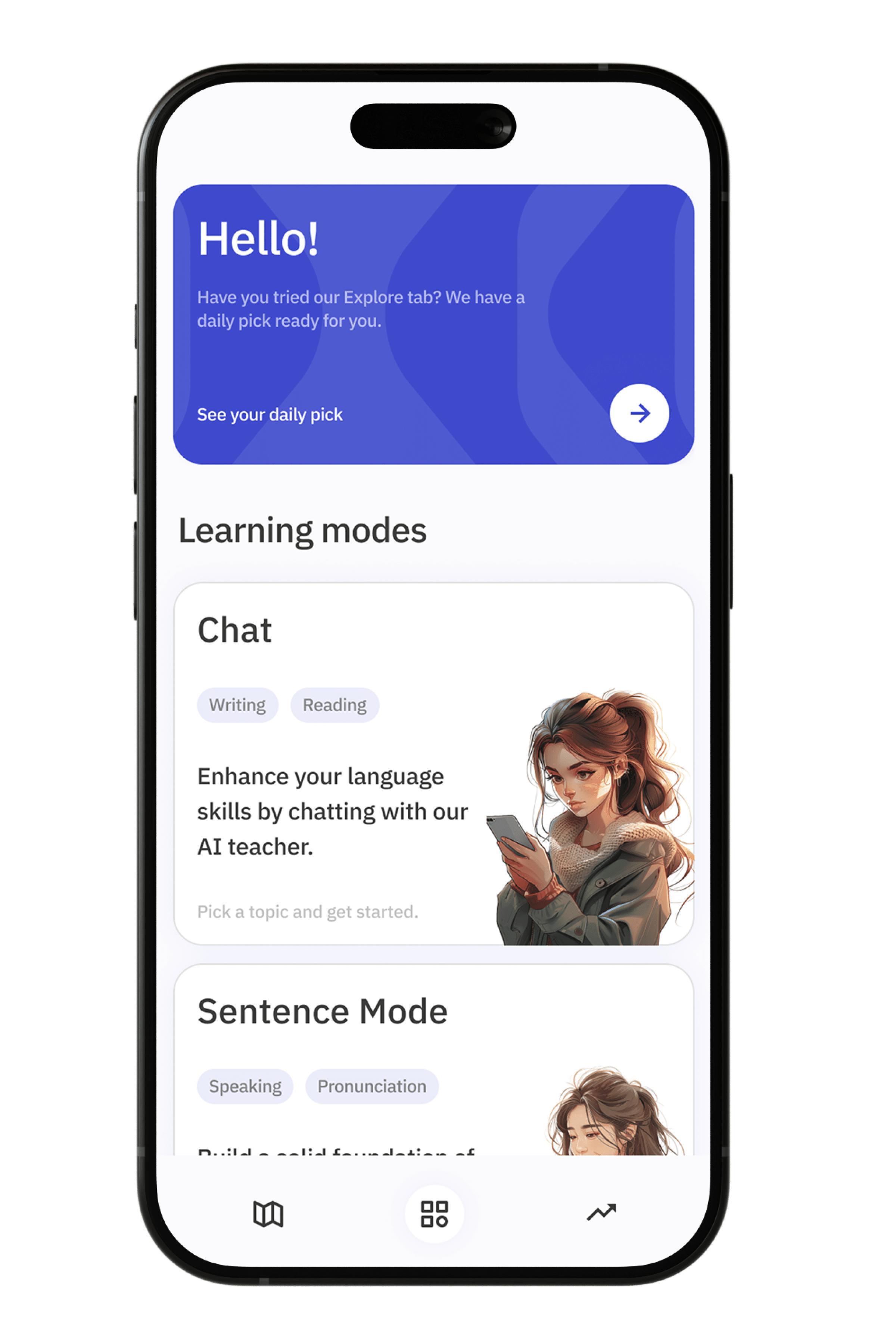
Talkpal is AI-powered language tutor. Master 50+ languages with personalized lessons and cutting-edge technology.