
Pick a language and start learning!






Futurum perfekt för handlingar avslutade före en framtida tid Övningar på engelska

Futurum perfekt, eller framtidsperfekt, är en spännande aspekt av engelska språket som används för att beskriva handlingar som kommer att vara avslutade före en viss tidpunkt i framtiden. Det är en tidsform som kombinerar framtid och perfekt, vilket innebär att en viss handling kommer att ha blivit fullbordad innan en annan framtida händelse inträffar. Till exempel kan meningen "I will have finished my homework by 6 PM" översättas till "Jag kommer att ha avslutat mina läxor före klockan 18". Denna form är särskilt användbar när man vill förtydliga sekvensen av händelser i framtiden.
Genom att behärska futurum perfekt kan du uttrycka dig mer exakt och nyanserat på engelska. Våra övningar är utformade för att hjälpa dig att förstå och korrekt använda denna grammatiska konstruktion i olika sammanhang. Du kommer att få öva på att skapa meningar, identifiera rätt former, och använda futurum perfekt i både skriftlig och muntlig kommunikation. Med dessa verktyg blir du bättre rustad att navigera i komplexa framtida scenarion och förbättra din engelska flytande och precision.
Exercise 1
<p>1. By next summer, she *will have completed* her degree (slutföra).</p>
<p>2. They *will have finished* the project before the deadline (avsluta).</p>
<p>3. By the time you arrive, we *will have prepared* dinner (förbereda).</p>
<p>4. He *will have written* the report by the end of the week (skriva).</p>
<p>5. The train *will have left* the station by the time you get there (avgå).</p>
<p>6. By next year, we *will have visited* all the major cities in Europe (besöka).</p>
<p>7. She *will have saved* enough money by next month to buy a new car (spara).</p>
<p>8. They *will have moved* to a new house by the end of the year (flytta).</p>
<p>9. He *will have read* the entire book by tomorrow (läsa).</p>
<p>10. By the time she gets back, we *will have finished* cleaning the house (städa).</p>
Exercise 2
<p>1. By this time next year, they *will have finished* building the new bridge (färdigställa).</p>
<p>2. She *will have graduated* from university by the time she turns 22 (examen).</p>
<p>3. We *will have completed* the project before the deadline (slutföra).</p>
<p>4. By the end of the month, he *will have saved* enough money for the trip (spara).</p>
<p>5. They *will have left* the office by the time you arrive (lämna).</p>
<p>6. I *will have learned* to speak French fluently by next summer (lära sig).</p>
<p>7. By the time the guests arrive, she *will have prepared* all the food (förbereda).</p>
<p>8. The team *will have won* the championship by the end of the season (vinna).</p>
<p>9. He *will have written* his first novel before he turns 30 (skriva).</p>
<p>10. We *will have moved* to a new house by next Christmas (flytta).</p>
Exercise 3
<p>1. By the time you arrive, I *will have finished* my homework (verb for complete).</p>
<p>2. They *will have built* the new bridge by next summer (verb for construct).</p>
<p>3. She *will have learned* to speak French before her trip to Paris (verb for acquire knowledge).</p>
<p>4. We *will have saved* enough money to buy a house by the end of the year (verb for accumulate).</p>
<p>5. He *will have completed* his degree by the time he turns 25 (verb for finalize).</p>
<p>6. By next month, the team *will have won* the championship (verb for achieve victory).</p>
<p>7. I *will have traveled* to five countries by the end of the year (verb for visit).</p>
<p>8. She *will have read* all the books on her list before the summer ends (verb for peruse).</p>
<p>9. By the time you wake up, I *will have cooked* breakfast (verb for prepare food).</p>
<p>10. We *will have moved* to our new apartment by next weekend (verb for relocate).</p>
Learn a Language 5x Faster with AI
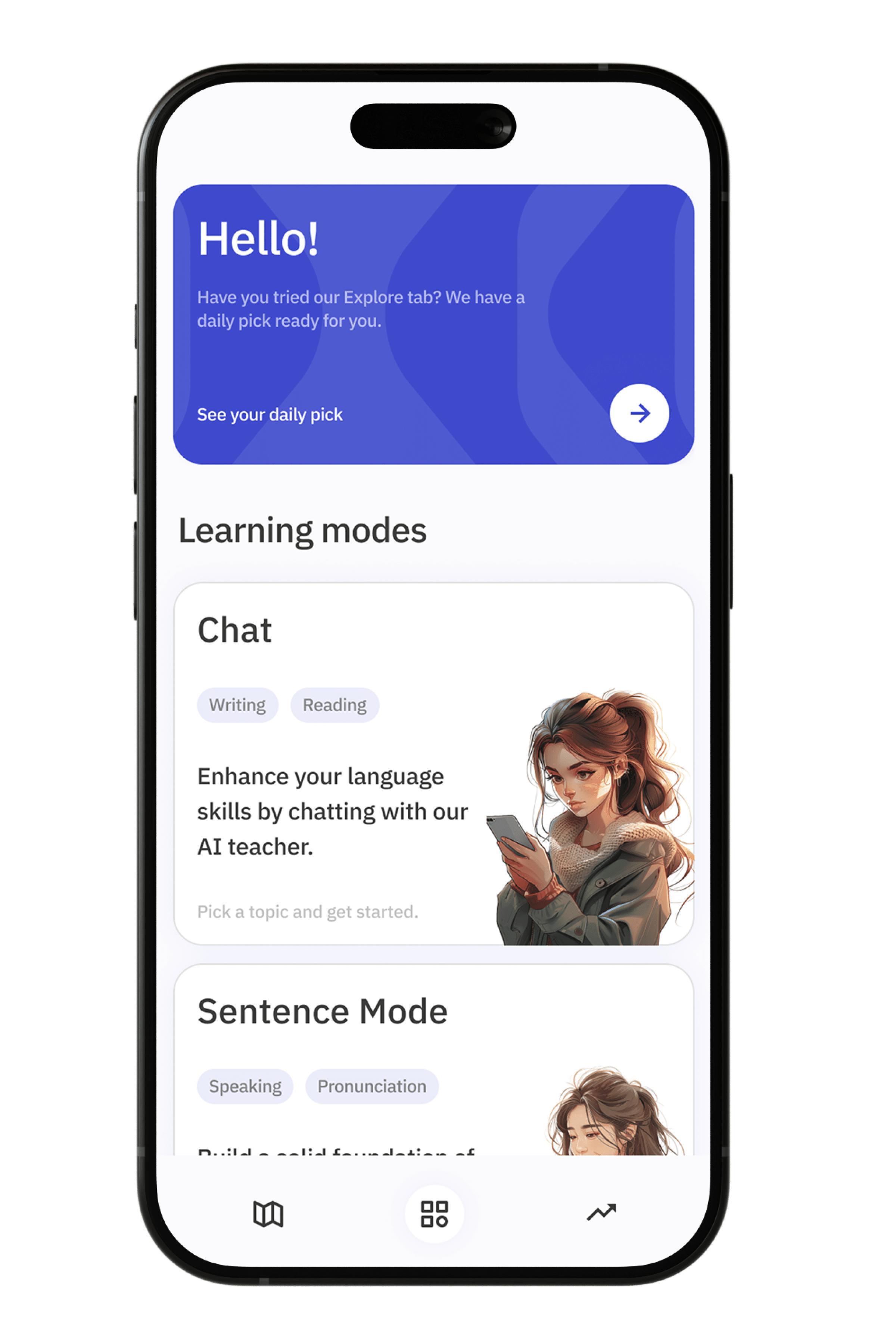
Talkpal is AI-powered language tutor. Master 50+ languages with personalized lessons and cutting-edge technology.