
Pick a language and start learning!






Orsakskonjunktioner Övningar på engelska

Orsakskonjunktioner är en viktig del av det svenska språket som hjälper till att förklara varför något händer eller vad som är orsaken till en viss händelse. Dessa konjunktioner, såsom "eftersom", "därför att", "då" och "så att", binder samman satser och ger en tydligare bild av händelseförlopp och samband. Genom att använda orsakskonjunktioner kan du göra dina meningar mer sammanhängande och lättare att förstå, vilket är en värdefull färdighet både i skrift och tal.
På denna sida hittar du en mängd olika övningar som hjälper dig att bemästra användningen av orsakskonjunktioner. Övningarna är utformade för att förbättra din grammatiska förståelse och förmåga att använda dessa konjunktioner korrekt i olika sammanhang. Genom att arbeta igenom dessa uppgifter kommer du att bli mer säker på hur du kan uttrycka orsaker och samband på ett naturligt och korrekt sätt i ditt skrivande och tal.
Exercise 1
<p>1. She couldn't attend the meeting *because* she was ill (orsakskonjunktion för sjukdom).</p>
<p>2. They missed their flight *since* they left home late (orsakskonjunktion för försening).</p>
<p>3. The streets were flooded *as* it had been raining heavily all night (orsakskonjunktion för väder).</p>
<p>4. I went to bed early *because* I was very tired (orsakskonjunktion för trötthet).</p>
<p>5. The project was delayed *since* there were some technical issues (orsakskonjunktion för tekniska problem).</p>
<p>6. She was promoted *because* she worked very hard (orsakskonjunktion för hårt arbete).</p>
<p>7. He decided to stay home *as* he wasn't feeling well (orsakskonjunktion för hälsa).</p>
<p>8. The picnic was cancelled *since* it started to rain (orsakskonjunktion för väderförhållanden).</p>
<p>9. They moved to a new city *because* he got a new job (orsakskonjunktion för jobb).</p>
<p>10. I didn't buy the dress *as* it was too expensive (orsakskonjunktion för pris).</p>
Exercise 2
<p>1. She went to bed early *because* she was very tired (orsak).</p>
<p>2. They cancelled the picnic *since* it started to rain (orsak).</p>
<p>3. He got a promotion *due to* his hard work (orsak).</p>
<p>4. The event was postponed *because* of the severe weather (orsak).</p>
<p>5. She didn't attend the meeting *as* she was feeling unwell (orsak).</p>
<p>6. The roads were slippery *because* of the ice (orsak).</p>
<p>7. He couldn't come to the party *since* he had an exam the next day (orsak).</p>
<p>8. The shop was closed *due to* a public holiday (orsak).</p>
<p>9. They were late *because* of the traffic jam (orsak).</p>
<p>10. The match was cancelled *since* the field was flooded (orsak).</p>
Exercise 3
<p>1. She didn't go to the party *because* she was feeling sick (orsakskonjunktion).</p>
<p>2. They canceled the event *due to* the bad weather (orsakskonjunktion).</p>
<p>3. He missed the bus *since* he woke up late (orsakskonjunktion).</p>
<p>4. The project was delayed *because* the materials arrived late (orsakskonjunktion).</p>
<p>5. She decided to take a break *as* she was too tired to continue (orsakskonjunktion).</p>
<p>6. We were late *because* the traffic was terrible (orsakskonjunktion).</p>
<p>7. The company lost money *due to* poor management (orsakskonjunktion).</p>
<p>8. She didn't finish her homework *since* she had a lot of chores to do (orsakskonjunktion).</p>
<p>9. They moved to a new city *because* of a job offer (orsakskonjunktion).</p>
<p>10. He couldn't play soccer *as* he had injured his leg (orsakskonjunktion).</p>
Learn a Language 5x Faster with AI
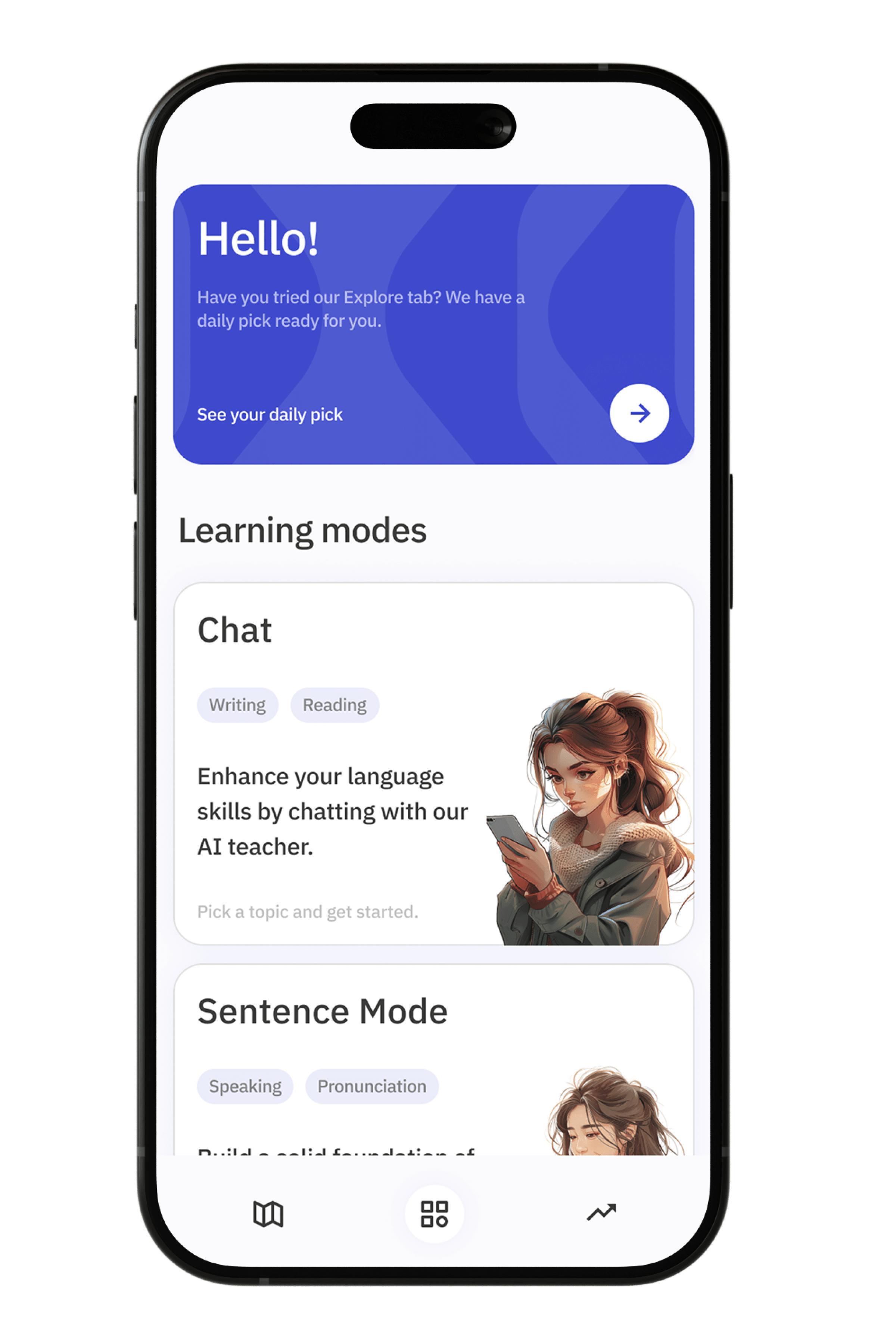
Talkpal is AI-powered language tutor. Master 50+ languages with personalized lessons and cutting-edge technology.