
Pick a language and start learning!






从属连词 练习 用英语

从属连词是连接主句和从句的一种重要工具,它可以帮助我们表达复杂的思想和关系。在英语学习中,掌握从属连词的用法非常关键,因为它们能够让你的句子更加连贯和有逻辑性。常见的从属连词有“because”、“if”、“although”、“when”、“while”等等,每一个从属连词都有其特定的用法和含义。通过学习和练习这些从属连词的使用,你可以提高英语写作和口语的表达能力。
在本页面中,我们将提供一系列关于从属连词的语法练习,帮助你更好地理解和应用这些连词。每个练习都会针对不同的从属连词,并通过实际例句和练习题来强化你的记忆和使用能力。无论你是初学者还是希望进一步提升英语水平的学习者,这些练习都将为你提供有益的帮助。现在,让我们开始探索从属连词的世界,提升你的英语表达能力吧!
Exercise 1
<p>1. I stayed home *because* it was raining (从属连词表示原因).</p>
<p>2. You can borrow my car *if* you promise to drive carefully (从属连词表示条件).</p>
<p>3. She will call you *when* she arrives at the airport (从属连词表示时间).</p>
<p>4. He finished his homework *before* he went out to play (从属连词表示时间先后).</p>
<p>5. I didn't go to the party *although* I was invited (从属连词表示让步).</p>
<p>6. She studied hard *so that* she could pass the exam (从属连词表示目的).</p>
<p>7. The teacher explained the topic *until* everyone understood (从属连词表示时间持续).</p>
<p>8. We can start eating *as soon as* they arrive (从属连词表示时间条件).</p>
<p>9. I will go for a walk *unless* it starts to rain (从属连词表示条件).</p>
<p>10. He acts *as if* he knows everything (从属连词表示假设).
Exercise 2
<p>1. She stayed at home *because* she was feeling ill (原因).</p>
<p>2. I will call you *when* I arrive at the airport (时间).</p>
<p>3. He studied hard *so that* he could pass the exam (目的).</p>
<p>4. She will go to the party *if* she finishes her homework (条件).</p>
<p>5. I can't come to the meeting *unless* I finish this report (条件).</p>
<p>6. He didn't go to the gym *although* he had the time (对比).</p>
<p>7. We will wait here *until* the rain stops (时间).</p>
<p>8. She practices every day *so that* she can improve her skills (目的).</p>
<p>9. The children were excited *because* they were going to the zoo (原因).</p>
<p>10. He will visit you *as soon as* he finishes his work (时间).</p>
Exercise 3
<p>1. She couldn't go to the party *because* she was feeling sick (indicates reason).</p>
<p>2. I will call you *when* I get home (indicates time).</p>
<p>3. He studied hard *so that* he could pass the exam (indicates purpose).</p>
<p>4. *Although* it was raining, they went for a walk (indicates contrast).</p>
<p>5. We can start the meeting *after* everyone arrives (indicates time).</p>
<p>6. They couldn't decide *whether* to go by train or by bus (indicates choice).</p>
<p>7. You should eat breakfast *before* you leave for work (indicates time).</p>
<p>8. She acted *as if* she knew the answer (indicates manner or comparison).</p>
<p>9. He didn't go to the gym *because* he was too tired (indicates reason).</p>
<p>10. I will wait here *until* you come back (indicates time).</p>
Learn a Language 5x Faster with AI
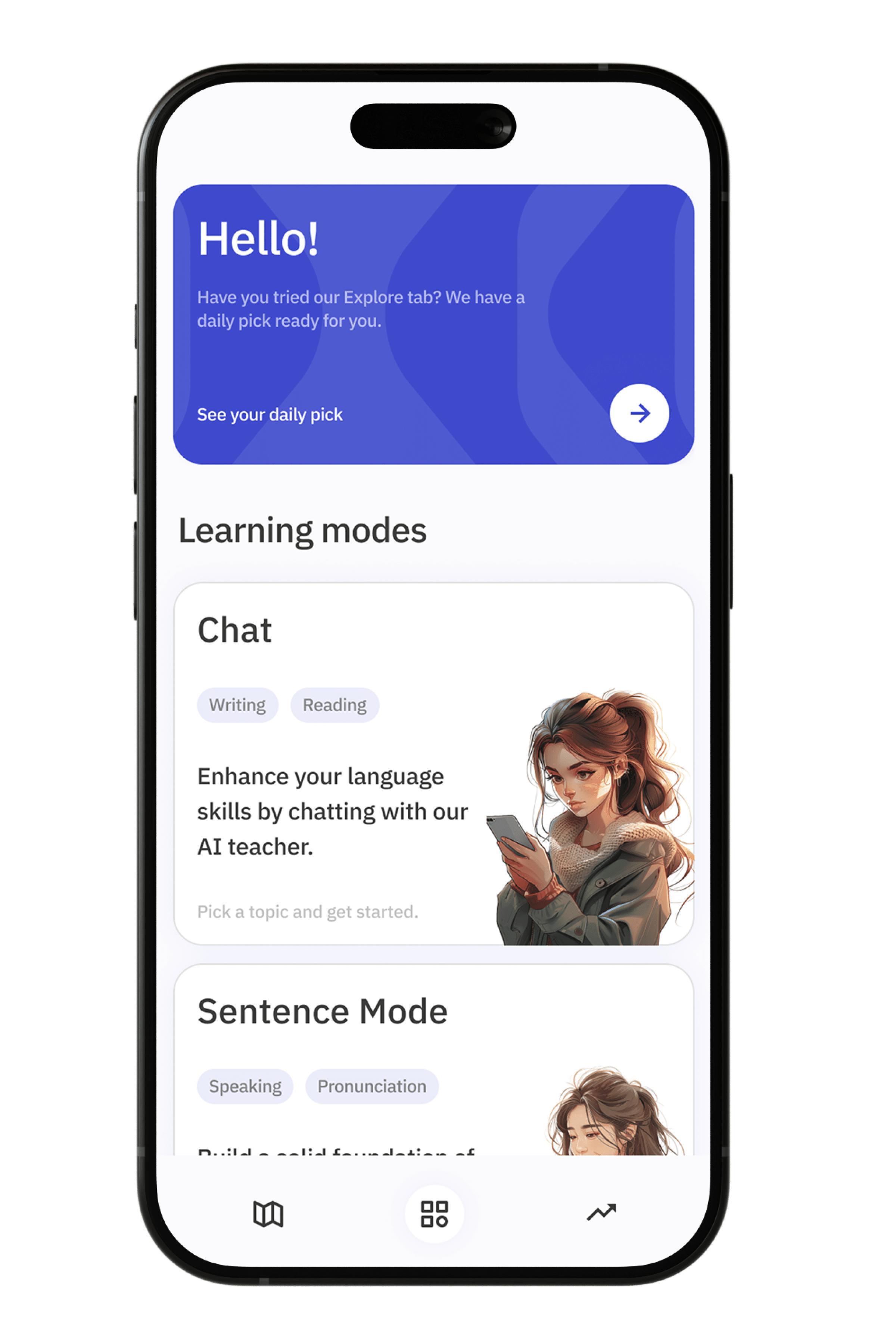
Talkpal is AI-powered language tutor. Master 50+ languages with personalized lessons and cutting-edge technology.